This overview introduces junior rodeo as it is practiced by young riders in Kansas. It explains what the events are, how they are organized into age divisions, and what a family can expect at a typical youth competition. The overview is a general guide. Event rules, age limits, and dates are set by each organizing association and can change from season to season, so the current rulebook and the organizer's notices remain the authoritative sources.
Overview of Youth Rodeo in Kansas
Youth rodeo in Kansas is run by a mix of local clubs, regional groups, and venues that host events for junior competitors. Each group publishes its own schedule and rules, so a rider may compete under different sets of guidelines in different parts of the state. Many programs share a similar structure: competitors enter by age division, perform a set of events, and receive points that count toward a season standing.
The atmosphere at a youth rodeo is usually closer to a sports meet than to a public show. Competitors warm up before their runs, judges and timers manage the arena, and parents and coaches stay near the gate. Results are posted after each performance, and the season is built up from many single events rather than one large meeting.
Popular Events and Disciplines
The events that appear most often in junior programs are barrel racing, pole bending, goat tying, breakaway roping, and team roping. Each event tests a different mix of horse control, speed, timing, and coordination. Barrel racing and pole bending are run as timed patterns around markers. Goat tying and breakaway roping are short timed tasks. Team roping is a partnership event in which two riders work together on one animal.
Local programs may also offer games, flag events, and novelty races, particularly for the youngest divisions. These events give young riders a chance to build confidence before entering the more demanding timed events.
Age Divisions Explained
Age divisions in junior rodeo are the framework that keeps the competition fair and appropriate for each child. Divisions are generally set by age on a stated date, and each division has a list of events that may be entered. The boundaries differ between associations, so the division a child belongs to is always decided by the rulebook of the group that runs the event.
Required Equipment and Attire
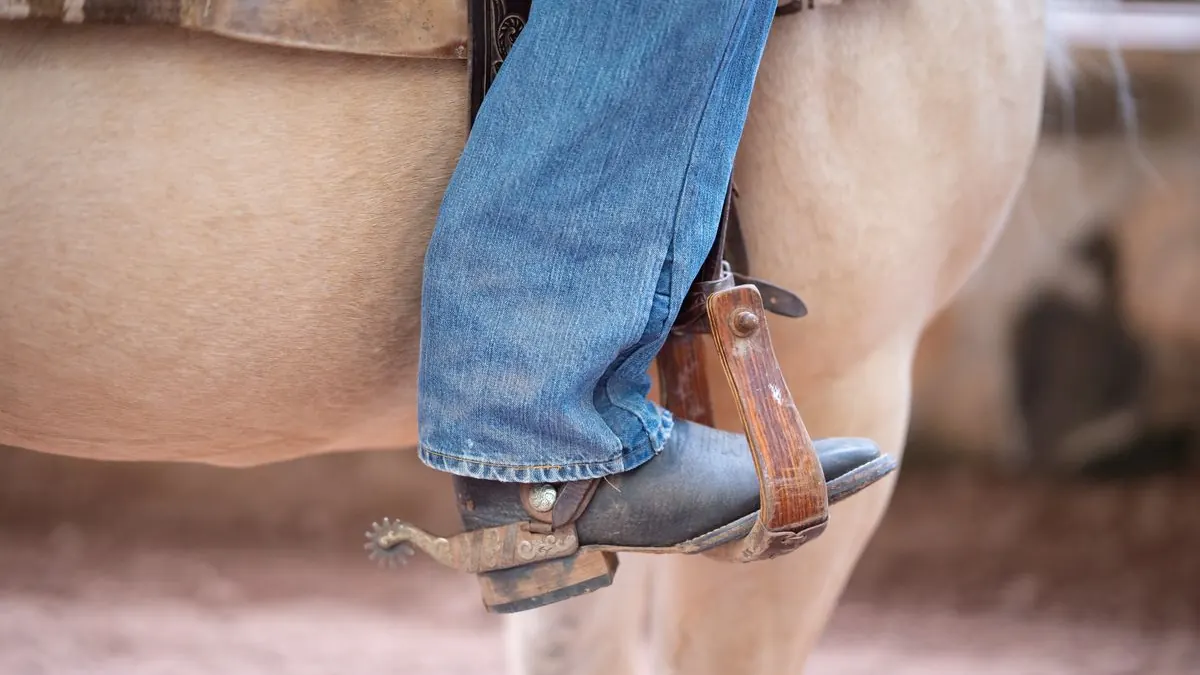
A junior rider usually needs a helmet that meets the requirements of the sanctioning body, boots suited to riding, a western saddle and bridle that fit the horse, and clothing that allows free movement. Some events require additional protection or specific equipment. Because requirements vary, the rulebook section for each event is the place to confirm what is necessary before the day of competition.
Safety Guidelines for Participants
Safety guidelines in junior rodeo cover the warm-up area, the handling of horses before and after a run, the presence of qualified adults, and the steps taken after a fall or injury. Most organizers publish these rules in advance and expect parents and coaches to follow them. A safe event depends on the rules being applied consistently at the venue, not only on being written down.
Understanding Points and Rankings
Points are awarded for placings in individual events, and the total becomes a season ranking. Some associations use fixed point tables, while others scale the points by the number of entries. The ranking decides who may qualify for finals and who receives recognition at the end of a season. The exact method is defined by each association and should be checked in its published rules.
How a Kansas Season Is Built
A typical junior rodeo season in Kansas is built around the warmer months, with regular events in spring and summer and finals or championship events in the fall. Specific highlights, such as major annual events or indoor competitions, depend on the organizers in a given year. Current dates come from the organizers, so their calendar is the authoritative source for planning.
FAQ
Who runs youth rodeo in Kansas?
Local clubs, regional groups and venues, each with its own rulebook. The Rule Book page summarizes what those rulebooks usually cover.
Where should a new family start?
Read the Events page for the disciplines, then the Rule Book for the general regulations and safety rules.
How do I find a local youth rodeo?
This catalog does not publish event dates or venues. Local information is usually available from the organizing club, the venue, or the state association.